How to Capture the Real Vibe of Your Journey with Road Trip Photography

Road Trip! Editorial Team
4 min readTravel Guide
The Direct Answer: How to Elevate Your Road Trip Photos
Elevating your road trip photography beyond basic landscape shots requires focusing on three core elements: capturing candid human moments inside and outside the vehicle, photographing unique local details like vintage diner signs, and experimenting with unconventional angles. By prioritizing narrative depth over static postcard views, you can document the true mood and texture of your journey rather than just the scenery. Whether you are using a professional DSLR or a smartphone, changing your perspective is the fastest way to turn a standard travel gallery into an evocative visual story.
Capture the Raw Emotion Inside the Cabin
The heartbeat of any road trip lies inside the car, yet most travelers only point their lenses outward toward the horizon. To capture authentic candid moments, keep your camera on the center console with a wide-angle lens (typically 24mm to 35mm) already attached and set. Avoid asking your companions to pose; instead, photograph them during moments of natural interaction. These quiet, unscripted instances hold the true memory of the trip.
A great trick is to wait until your passengers are fully distracted by the journey. When they are laughing at a joke or engrossed in a round of Conversation Starters on the Road Trip app, lift the camera and fire a quick burst of shots. Use a wide aperture like f/2.8 to blur out the cluttered background of the car seats, which draws the viewer's focus directly to their expressions and the warm interior lighting.
Keep a clean microfiber cloth in your door pocket at all times. You will want to wipe down your dashboard and inner windows daily to prevent dust spots and unwanted glare from ruining your interior cabin shots.
Documenting Local Character and Quirky Details
Scenic overlooks are beautiful, but they rarely tell a unique story about the specific path you chose. To build a compelling visual narrative, look for the small, hyper-local details that define a distinct region. This includes faded neon signs along historic highways, regional snacks resting on the dashboard, hand-painted road maps, or the dust pattern on your tailgate after driving 50 miles down a remote dirt road.
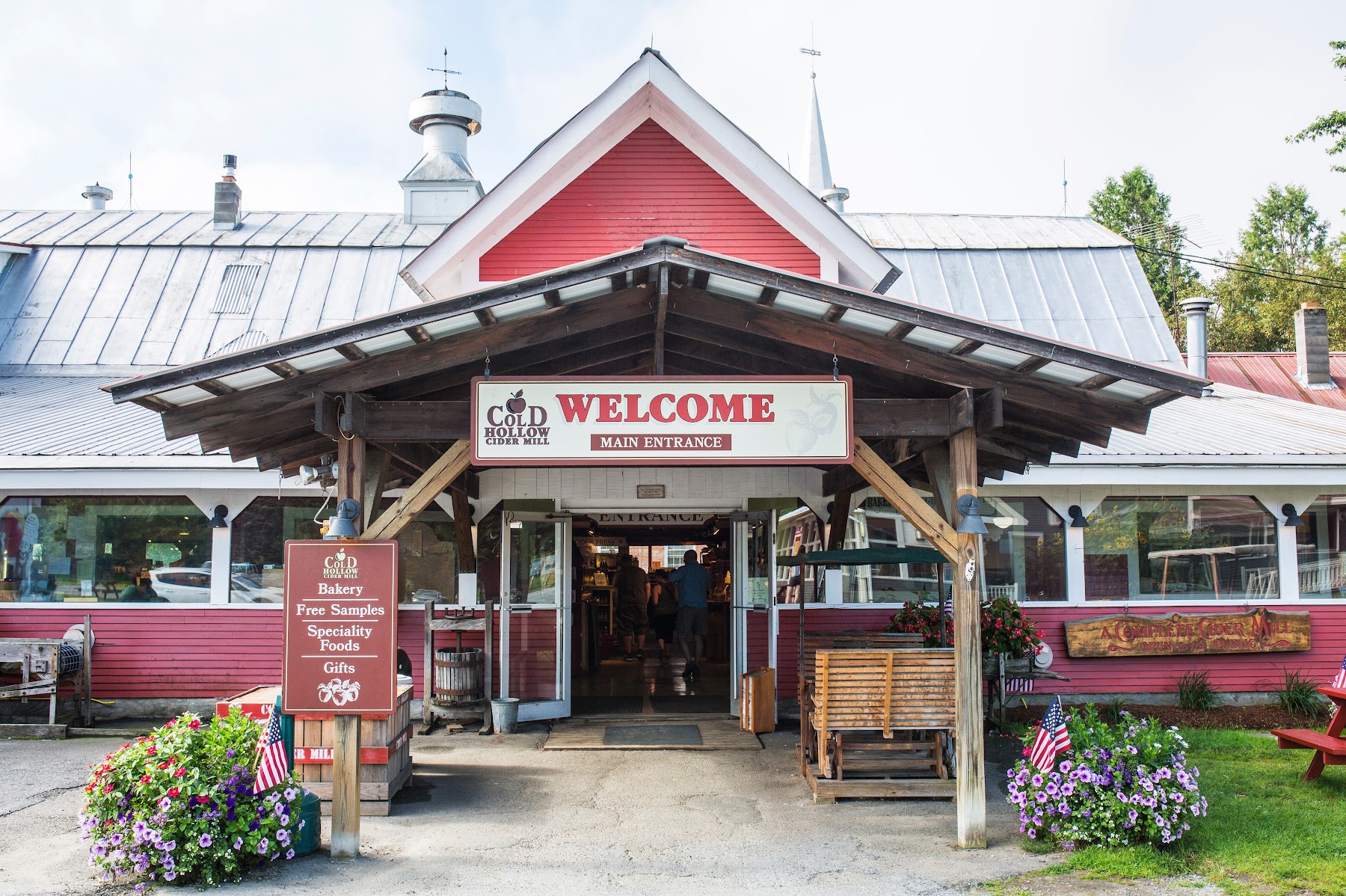
Pay close attention to texture and color contrasts, especially during the autumn month of September when the golden hour light strikes at a lower, warmer angle. Photographing a close-up of local apples at an orchard stand or a stack of worn physical maps next to your phone running the Road Trip app adds tangible context to your travel diary. Look for repeating patterns, weathered paint, and local typography that instantly ground your photos in a specific geographic place.
Misty mountains, folk music & autumn blazes
Misty mountains, folk music & autumn blazes
Mastering Motion: Shooting Safely from a Moving Vehicle
Drive-by shooting requires specific camera settings to avoid blurry, unusable images. If you are the passenger, set your camera to Shutter Priority mode (Tv or S) and select a speed of at least 1/1000th of a second. This exceptionally high shutter speed freezes the passing landscape, transforming blurry roadside trees into crisp, dramatic lines while keeping distant horizons tack-sharp.
To avoid capturing distracting reflections from the passenger window, hold your camera lens as close to the glass as possible without actually touching it. Touching the glass directly allows engine vibrations to transfer to the camera sensor, resulting in motion blur. A rubber lens hood is an excellent, inexpensive accessory for this technique, as it seals against the window and blocks out all interior cabin reflections.
Creative Perspectives and Frame-in-Frame Composition
Break away from eye-level shooting by actively seeking out unconventional perspectives. Try placing your camera flat on the hood of the car (while parked safely) to capture a low-angle reflection of a scenic forest canopy overhead. Alternatively, sit in the middle of the back seat and shoot forward, using the silhouettes of the driver and front passenger to frame the open road winding through the windshield.
Side-view mirrors offer another brilliant framing tool for creative road trip photography. Adjust your passenger-side mirror slightly to catch both the trailing highway behind you and a slice of the setting sun, keeping your camera focused directly on the mirror glass. These structural, geometric frames provide a strong sense of movement, depth, and scale that standard landscape images simply cannot replicate.
Do not pack your camera gear away when it starts to rain. Rainy asphalt reflects taillights, headlights, and roadside neon signs beautifully, creating moody, high-contrast scenes that add cinematic drama to your photo collection.