Mountain West vs. Southeast: Which October Fall Road Trip Should You Drive?

Road Trip! Editorial Team
5 min readComparison
The October Dilemma: High Alpine Peaks vs. Appalachian Foothills
Planning an autumn driving route in October 2026 often forces a dramatic choice between two distinct American landscapes. On one hand, the Mountain West delivers sheer vertical drop-offs, dusting snow on high peaks, and sharp alpine air. On the other, the Southeast offers winding mountain corridors through the Appalachian foothills, where small-town textile museums, secluded creek-side orchards, and deep-cut hollows lie hidden just beyond the interstate speedways.
Whether you want to climb above timberline in Colorado or trace the Blue Ridge Foothills Corridor from Asheville down toward Atlanta, understanding how these regions stack up across driveability, timing, and roadside atmosphere will ensure you pick the right key for your trip.
Best For: Stark Dramatic Landscapes vs. Historic Foothill Corridors
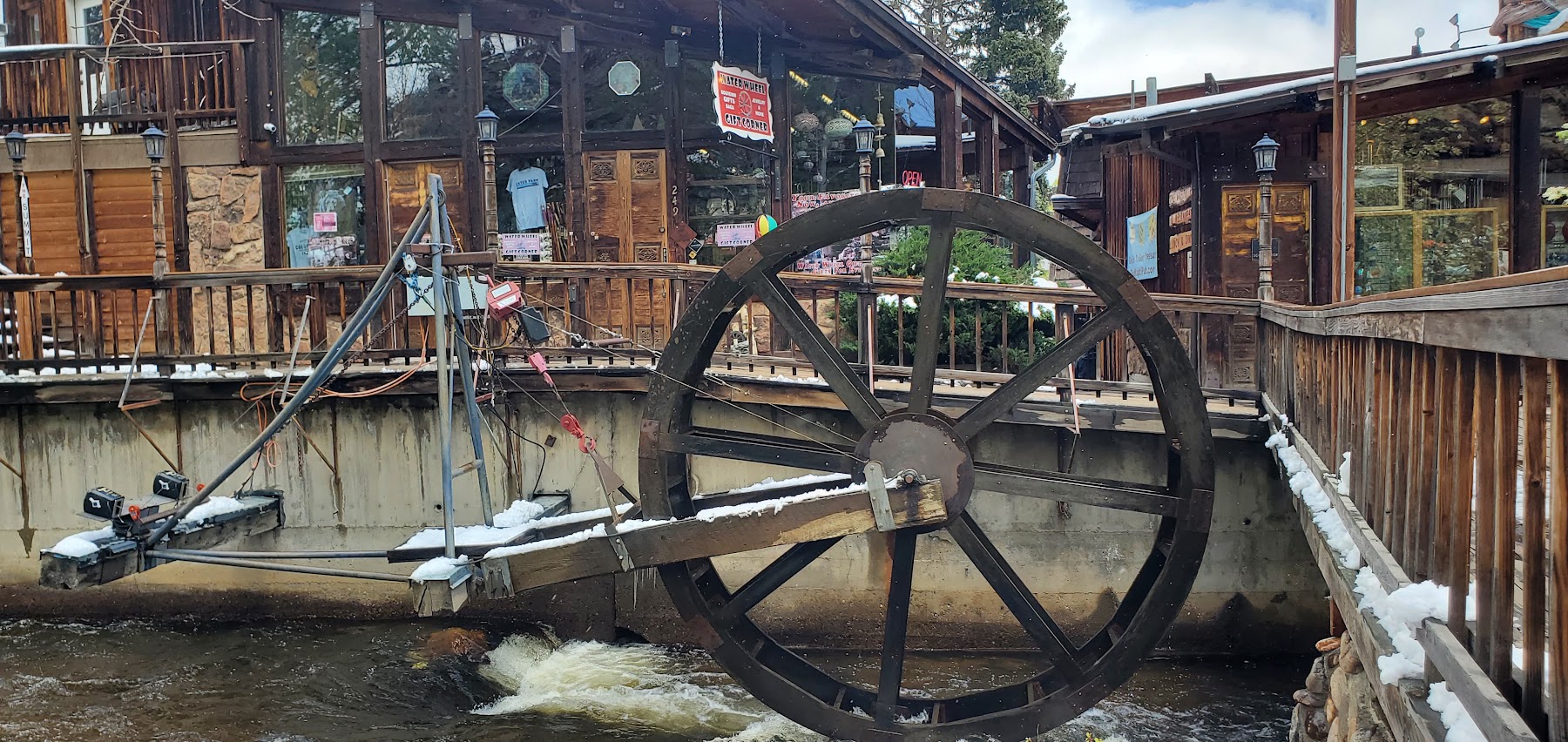
The Mountain West is built for drivers who crave vast open basins and brooding high-altitude vistas. Estes Park is a historic mountain town located in northern Colorado at an elevation of 7,522 feet, serving as the eastern gateway to Rocky Mountain National Park along US Highway 34. In October, the town's crisp atmosphere and dramatic gothic peaks create an unforgettable autumnal backdrop.
Estes Park
Estes Park delivers iconic alpine scenery, spooky historic architecture, and immediate access to rugged Rocky Mountain trailheads.

Winter Wonderland Adventure Tour | Sledding (Wildside 4x4 Tours)

E-bike ride around the beautiful Estes Lake bike path
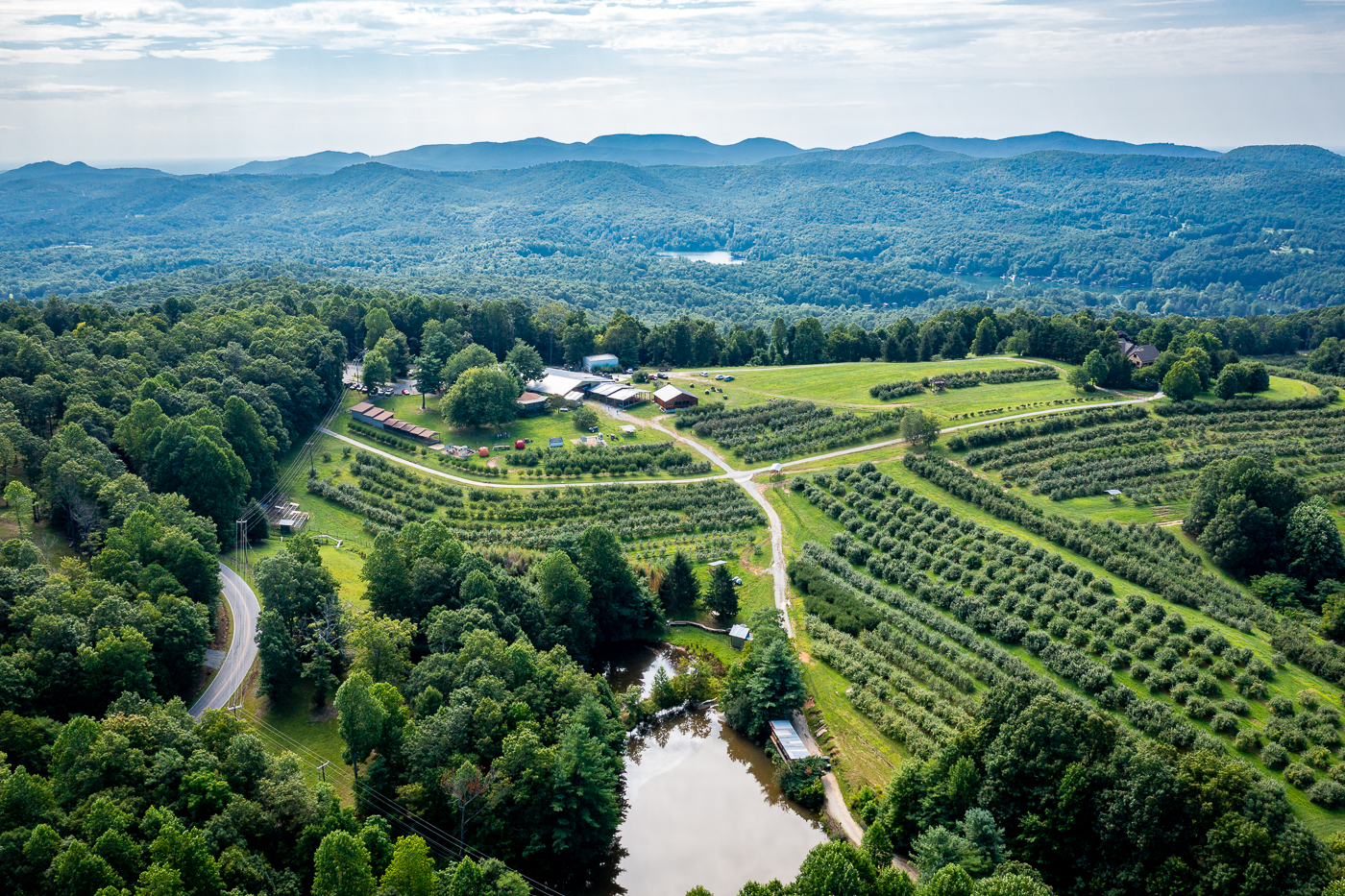
Conversely, the Southeast shines for road trippers who prefer nuanced history and slow-paced exploration along wooded backroads. In the Blue Ridge foothills corridor between Asheville and Atlanta, you'll discover former textile mill towns turned artisan hubs and family orchards tucked beside mountain streams. An easy detour north into the central Appalachian ridge brings you to places like the Trans-Allegheny Lunatic Asylum. The Trans-Allegheny Lunatic Asylum is a massive 19th-century stone psychiatric hospital located in Weston, West Virginia, situated off Interstate 79 along the West Fork River.
Trans-Allegheny Lunatic Asylum
A towering example of gothic stone architecture offering haunting seasonal tours in the heart of West Virginia's hills.
When to Go: October Foliage and Weather Windows
In the Mountain West, the golden aspen peak happens early. By mid-October, higher passes in Colorado often see their foliage fade into crisp, dusting snowfall. Early October is the ideal window if you want to catch golden groves against blue alpine skies, while late October offers quieter trails and a chilly, atmospheric winter-prep mood.
In the Southeast, October is the absolute prime time for fall colors. A cascading wave of red oak, orange sugar maple, and yellow hickory sweeps down through the Appalachian ridges from early through late October. Driving the foothills corridor from Asheville to Atlanta during the third week of October yields consistent leaf-canopy color, warm sunny afternoons, and cool orchard evenings.
If you drive the Southeast route, keep light jackets ready for brisk morning walks through creekside orchards. For Mountain West drives, monitor high-altitude road advisories as early snow can close passes like Trail Ridge Road unexpectedly.
The Drive In: Sweeping High Passes vs. Winding Foothill Routes
Driving in the Mountain West involves long, open stretches of highway that open up into dramatic canyon ascents. Navigating from Denver up to Estes Park along US-36 takes roughly 90 minutes across 65 miles of transition from high plains to jagged granite peaks. Between long driving segments, keeping passengers engaged is easy—you can test your regional geography with State Trivia on the Road Trip app.
Driving the Southeast foothill corridors is a much tighter, intimate experience. Spanning roughly 200 miles along US-23 and US-441 between Asheville and Atlanta, the drive traces river valleys, passes historic textile mills, and skirts secluded mountain hollows. You can use the Road Trip app to locate small roadside apple stands and historic textile displays that larger navigation apps routinely bypass.
Misty mountains, folk music & autumn blazes
Misty mountains, folk music & autumn blazes
What You'll Skip: Unfiltered Crowds vs. High-Altitude Thrills
Every fall road trip requires trade-offs. Choosing the Mountain West means skipping dense hardwood forests and small-town historic textile stops, but gaining raw granite peaks and vast alpine wilderness. You will also deal with higher altitude adjustments and unpredictable early winter weather shifts.
Choosing the Southeast foothill route means trading away 12,000-foot summits, but completely skipping the bumper-to-bumper tourist bottlenecks of major national park corridors. By prioritizing backroad hollows and creekside stops between Asheville and Atlanta, you get an authentic, unhurried autumn experience.
The Final Verdict: Which Drive Should You Pick?
Pick the Mountain West if you want towering alpine silhouettes, thin mountain air, dramatic valley overlooks, and eerie landmark hotels like Estes Park's famous resort grounds against a snow-dusted backdrop.
Pick the Southeast if you prefer tracing Appalachian foothill corridors between Asheville and Atlanta, discovering hidden creekside apple orchards, visiting small-town textile heritage sites, and taking creepy historic detours like West Virginia's Trans-Allegheny Lunatic Asylum.