The $100-a-Day Road Trip: Your Practical Budget Guide for 2026

Road Trip! Editorial Team
6 min readBudget GuideUpdated
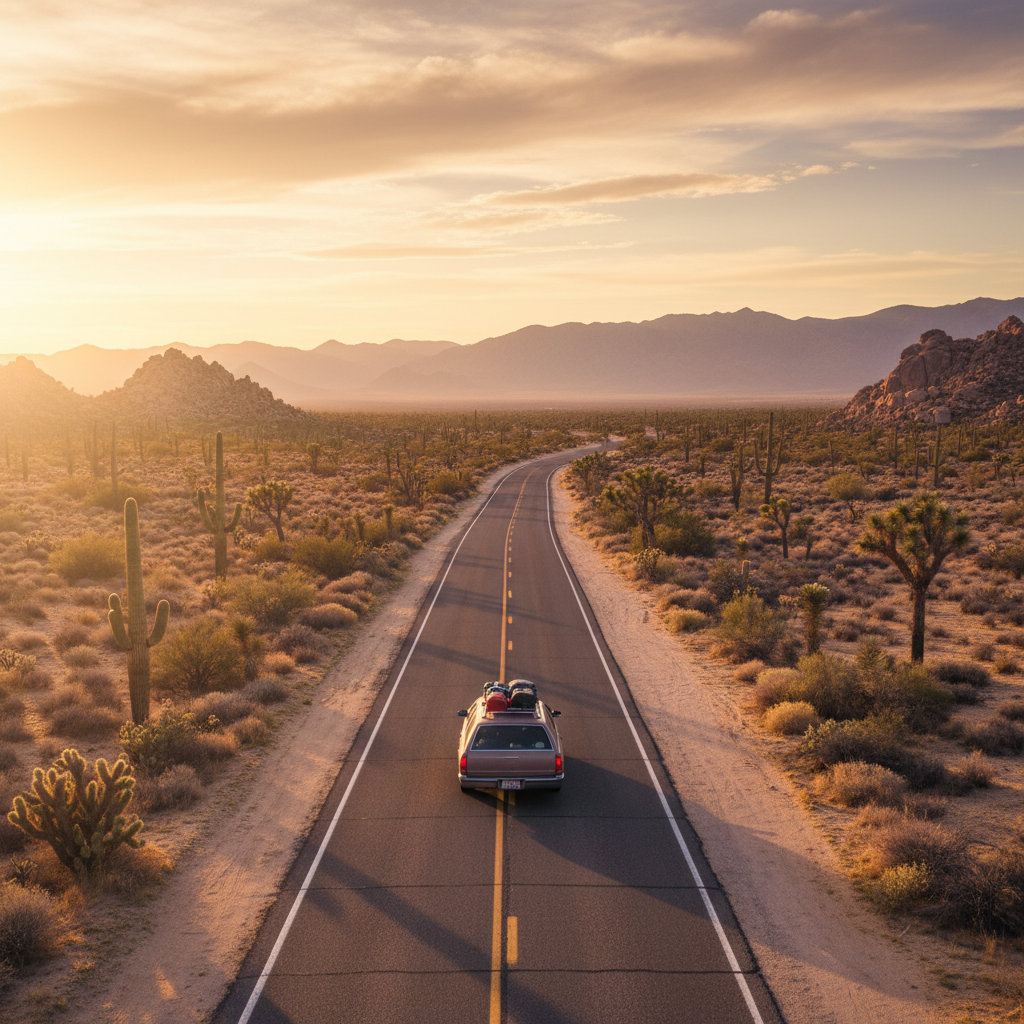
A road trip across the US or Canada for under $100 a day is entirely achievable with smart planning. The key is to aggressively manage your three biggest expenses: lodging (by camping or using budget alternatives), food (by cooking your own meals), and fuel (by driving efficiently and finding cheap gas). With a solid strategy, you can keep your daily average costs for a solo traveler or a couple well within this budget.
This guide breaks down the essential tactics and provides a realistic framework for planning your ultimate budget-friendly adventure. Forget the idea that travel has to be expensive; the open road is more accessible than you think.
Breaking Down the Budget: Where Does the Money Go?
Before you can cut costs, you need to understand where your money is likely to go. For a typical budget road trip, your daily expenses will be split between a few key categories. While your exact numbers will vary based on your travel style and vehicle, a good starting point for your budget allocation is 30-40% on lodging, 25-30% on fuel, 20-25% on food, and 10-15% on activities and miscellaneous costs.
Lodging and fuel are the biggest variables. A night in a city hotel can blow your entire daily budget, while a free campsite can bring your average cost way down. Similarly, driving a gas-guzzling truck 400 miles a day will cost far more than cruising 200 miles in a fuel-efficient sedan.
Tactic #1: Master Your Accommodation Costs
Your choice of where to sleep each night will have the single biggest impact on your ability to stick to a $100/day budget. Hotels are almost always out of the question, but there are plenty of comfortable and exciting alternatives.
Camping: Your Most Affordable Option
Camping is the ultimate budget road trip hack. National Forest and Bureau of Land Management (BLM) campgrounds in the US often cost just $10-$25 per night, offering incredible scenery for a fraction of a hotel's price. For the truly adventurous, dispersed camping on these public lands is often free, though it comes without amenities like toilets or running water.
Even private campgrounds or provincial parks in Canada can often be found for under $40, especially if you stick to basic tent sites. Investing in some decent camping gear will pay for itself within the first week of your trip.
Hostels and Budget Motels
If camping isn't your style, don't worry. Hostels are a fantastic option for solo travelers or couples, with dorm beds typically ranging from $30-$50 per night. They also offer access to a kitchen, which helps you save on food costs. For more privacy, look for older, independent motels in smaller towns, which are often cheaper and more charming than chain hotels just off the interstate.
Download apps like The Dyrt or iOverlander before you leave. These user-driven apps are goldmines for finding everything from free, dispersed campsites on public lands to established campgrounds with reviews and photos.
Tactic #2: Eat Well Without Eating Your Wallet
Eating out for three meals a day can cost you $50-$80 per person, which makes a $100 daily budget impossible. The solution is simple: make the grocery store your first stop in any new town and embrace the art of the cooler.
By preparing your own breakfasts (oatmeal, fruit), lunches (sandwiches, wraps), and most dinners, you can easily keep your daily food costs below $25. This doesn't mean you can't enjoy local flavors. Budget for one special meal or treat every few days—a local taco truck, a slice of famous pie, or a happy hour appetizer—to get a taste of the local cuisine without the hefty bill.
Pack a good quality cooler and a portable camp stove. A simple single-burner stove allows you to make coffee, boil pasta, or heat up soup, dramatically expanding your meal options and saving you a fortune on restaurant bills.
Tactic #3: Squeeze Every Mile From Your Gas Tank
Fuel is a fixed cost you can't avoid, but you can certainly minimize it. A few small changes to your driving habits and planning can add up to significant savings over the course of a long trip.
Drive Smarter, Not Harder
Your car is most fuel-efficient when maintaining a steady speed. Avoid aggressive driving with rapid acceleration and braking. On highways, stick to the speed limit and use cruise control; fuel economy often drops significantly at speeds above 65 mph (105 km/h). Also, a lighter car is a cheaper car to run, so pack only what you truly need.
Using a tool like the Road Trip app to plan your route can also help you find more efficient drives and estimate your total fuel costs before you even leave, making budgeting much easier.
Use Technology to Find Cheap Fuel
Gas prices can vary by as much as a dollar per gallon between adjacent towns. Never wait until your tank is empty to look for fuel. Instead, use apps like GasBuddy or the fuel search features in the Road Trip app to see prices along your route and plan your fill-ups at the cheapest stations.
Before you leave, check your tire pressure. Properly inflated tires can improve your gas mileage by up to 3%. Over a 3,000-mile road trip, that's like getting almost 100 miles for free!
Tactic #4: Find Free and Low-Cost Fun
The best parts of a road trip are often the spontaneous discoveries and stunning landscapes, most of which are completely free. You don't need to spend a lot on attractions to have an incredible experience.
Prioritize activities like hiking in national or state forests, visiting scenic overlooks, walking through historic downtowns, or spending an afternoon at a beach. In the U.S., consider an 'America the Beautiful' annual pass ($80), which grants access to all national parks and federal recreational lands for a full year—a bargain if you plan to visit more than three parks.
A Sample $100 Daily Budget in Action
So what does this look like in practice? Here’s a sample daily breakdown for a solo traveler or one person in a couple:
* Lodging: National Forest Campsite = $25 * Food: Groceries for breakfast, lunch, dinner + 1 coffee = $30 Gas: 250 miles driving / 25 MPG = 10 gallons $4.00/gallon = $40 * Buffer/Misc: Park entry fee, firewood, etc. = $5 * Total: $100
Remember, this is an average. Some days you might drive less and spend more on a hostel, while other days might be spent hiking near a free campsite, costing you almost nothing. The goal is to make it all balance out over the course of your incredible, budget-friendly adventure.