Best Park Road Trips for a Spring Awakening: March 2026

Road Trip! Editorial Team
5 min readDeep DiveUpdated
Embrace the Thaw: Your Guide to Spring Park Road Trips
March is a month of dramatic transformation. Across the country, landscapes shake off their winter slumber, offering a front-row seat to nature's spectacular revival. It's the perfect time to hit the road and witness this awakening firsthand in some of North America's most beautiful parks.
This guide focuses on four distinct park experiences that are at their absolute best in March. Whether you're chasing ephemeral desert blooms, admiring iconic city blossoms, or exploring lush, greening forests, these destinations promise an unforgettable spring road trip.
Death Valley National Park: A Desert Superbloom
Death Valley National Park is a 3.4-million-acre park in eastern California and Nevada known for its extreme heat and below-sea-level basin. But in early spring, it can host one of nature's most breathtaking and fleeting events: a wildflower superbloom.
While not guaranteed every year, a wet winter can trigger millions of seeds to germinate, blanketing the arid desert floor in a carpet of gold, purple, and pink. March is the prime viewing window. Even without a full superbloom, you'll find hardy desert flowers adding vibrant splashes of color against the stark, beautiful landscape of canyons and salt flats. The daytime temperatures are also mild and pleasant, perfect for hiking and exploring.
Death Valley National Park
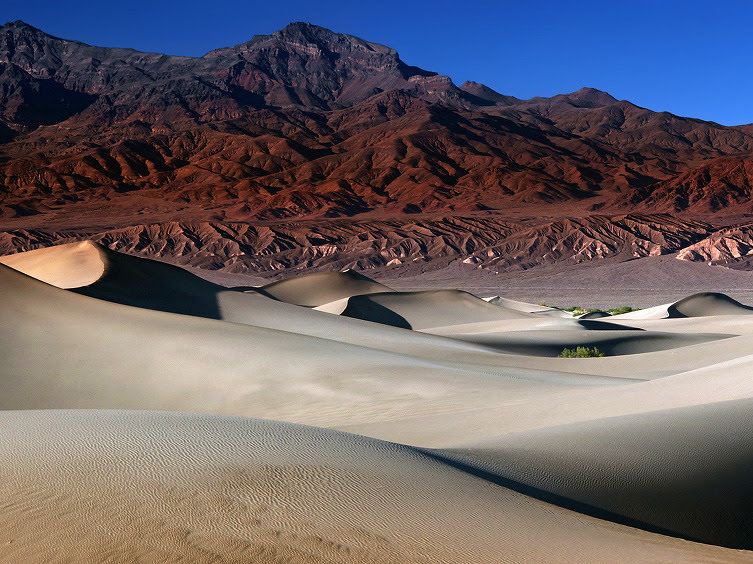
March often brings the potential for desert superblooms, transforming this austere landscape into a vibrant canvas of wildflowers. Witness a rare natural spectacle as the desert shakes off winter with a burst of color.
Planning Your Visit: Death Valley is vast. From Las Vegas (LAS), the drive is about 2 hours to the eastern entrance. From Los Angeles (LAX), expect a 4.5-hour drive. Plan to spend at least two full days exploring highlights like Badwater Basin, Zabriskie Point, and Artists Palette. Check the park's official website for wildflower reports before you go.
Washington D.C.'s Tidal Basin: An Urban Oasis in Bloom
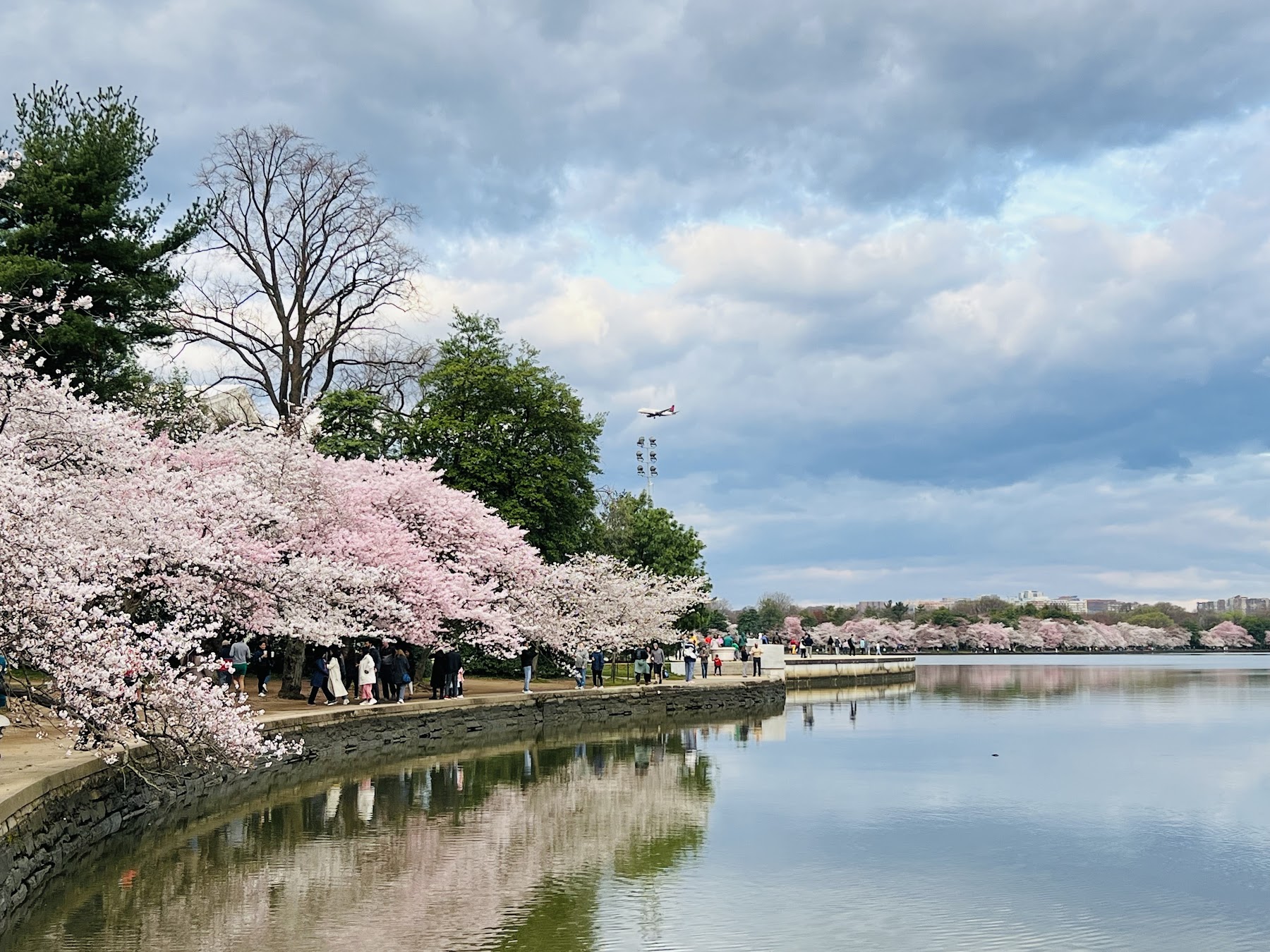
The Tidal Basin is a partially man-made reservoir in Washington, D.C., located between the Potomac River and the Washington Channel. It is famed for the thousands of cherry trees that line its shores, a gift from Japan in 1912.
In late March, these trees erupt in a sea of pink and white blossoms, creating one of the most iconic spring scenes in the world. A stroll around the basin, with views of the Jefferson Memorial, Washington Monument, and Martin Luther King, Jr. Memorial framed by flowers, is an essential spring experience. The National Cherry Blossom Festival often kicks off this month, filling the city with celebratory events.
Tidal Basin
Experience the iconic cherry blossoms reaching their peak bloom around the Tidal Basin, symbolizing spring's official arrival. It's a breathtaking display of natural beauty set against the nation's monuments.

The Original Capitol Hill Small Group Walking Tour - Max 15 ppl

Washington DC Capital Sites Bike Tour
Beat the Crowds: Peak bloom is incredibly popular. Visit on a weekday and arrive at sunrise for the best light and fewest people. Consider renting a paddle boat to see the blossoms from the water for a unique perspective. Use the Road Trip app to find parking or public transit options nearby.
Olympic Peninsula: Moody Forests and Rugged Coasts
The Olympic Peninsula is a large arm of land in western Washington, home to the diverse ecosystems of Olympic National Park. Here you can find glacier-capped mountains, ancient temperate rainforests, and wild, dramatic coastlines.
March on the peninsula is a study in green. The moss-draped trees of the Hoh and Quinault Rainforests are at their most vibrant, and the crowds of summer are still months away. It's the perfect time for quiet, atmospheric hikes and storm-watching along beaches like Rialto or La Push. While rain is likely, it only adds to the moody, primeval beauty of the landscape.
Olympic Peninsula
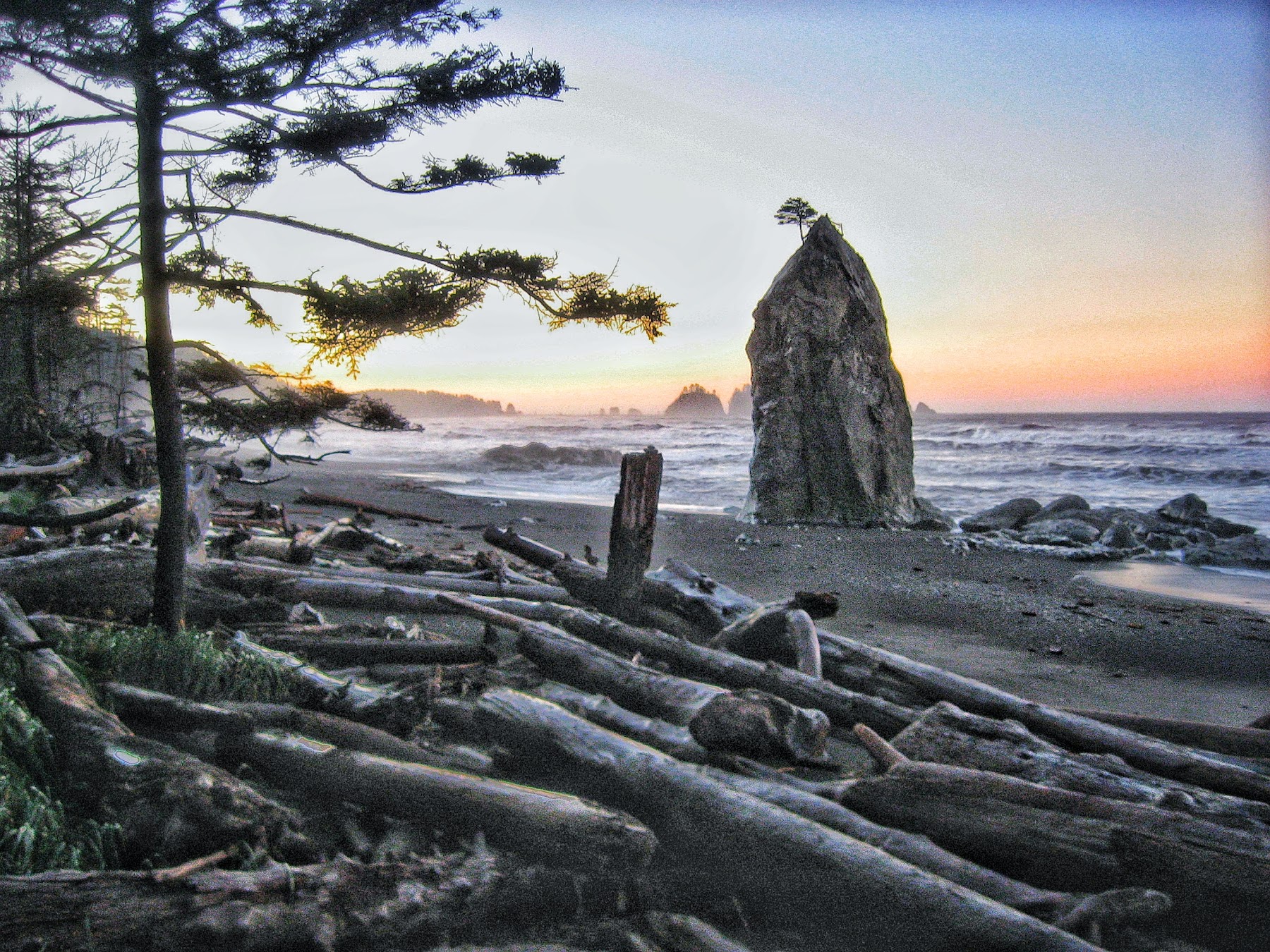
March offers crisp coastal air and fewer crowds, making it ideal for exploring rugged beaches and ancient rainforests as they begin to green. Witness dramatic seascapes and the awakening of temperate flora.
Missouri Botanical Garden: A Cultivated Spring Welcome
The Missouri Botanical Garden is a 79-acre botanical garden in St. Louis, Missouri. It is a National Historic Landmark and one of the oldest botanical institutions in the United States, featuring diverse gardens including a renowned Japanese garden and the Climatron geodesic dome conservatory.
A visit in March means you'll catch the very beginning of the spring show. Stroll through the grounds to see early-blooming witch hazels, crocuses, and daffodils. The magnificent magnolia trees often begin to display their huge, fragrant flowers this month, offering a refined and beautiful start to the season. It’s a peaceful, refreshing stop for any cross-country road trip.
Missouri Botanical Garden
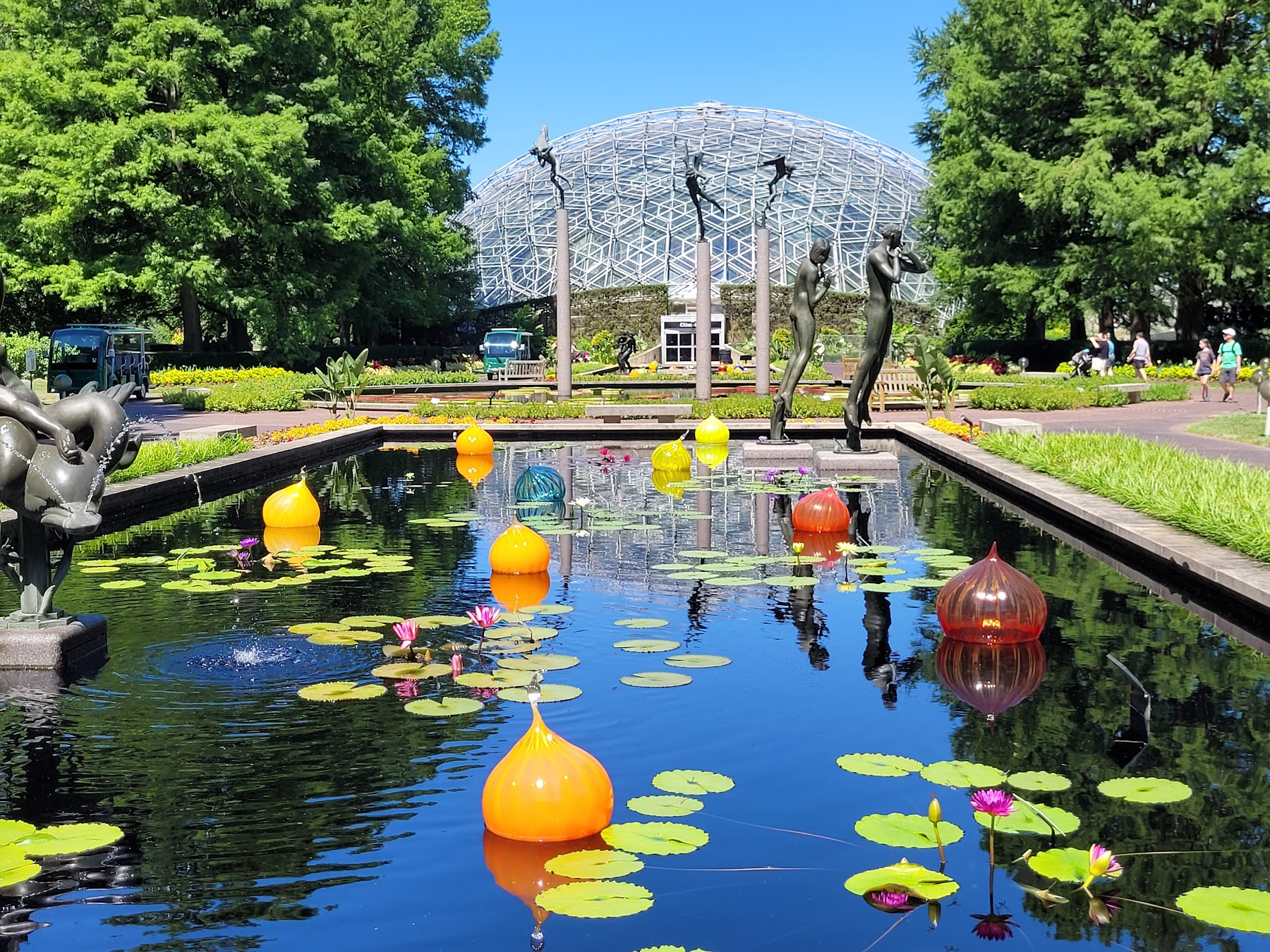
Shake off winter blues with an early visit to one of the nation's premier botanical gardens, where spring's first bulbs and magnolias begin to unfurl. Enjoy refreshing strolls through diverse collections as life returns to the landscape.